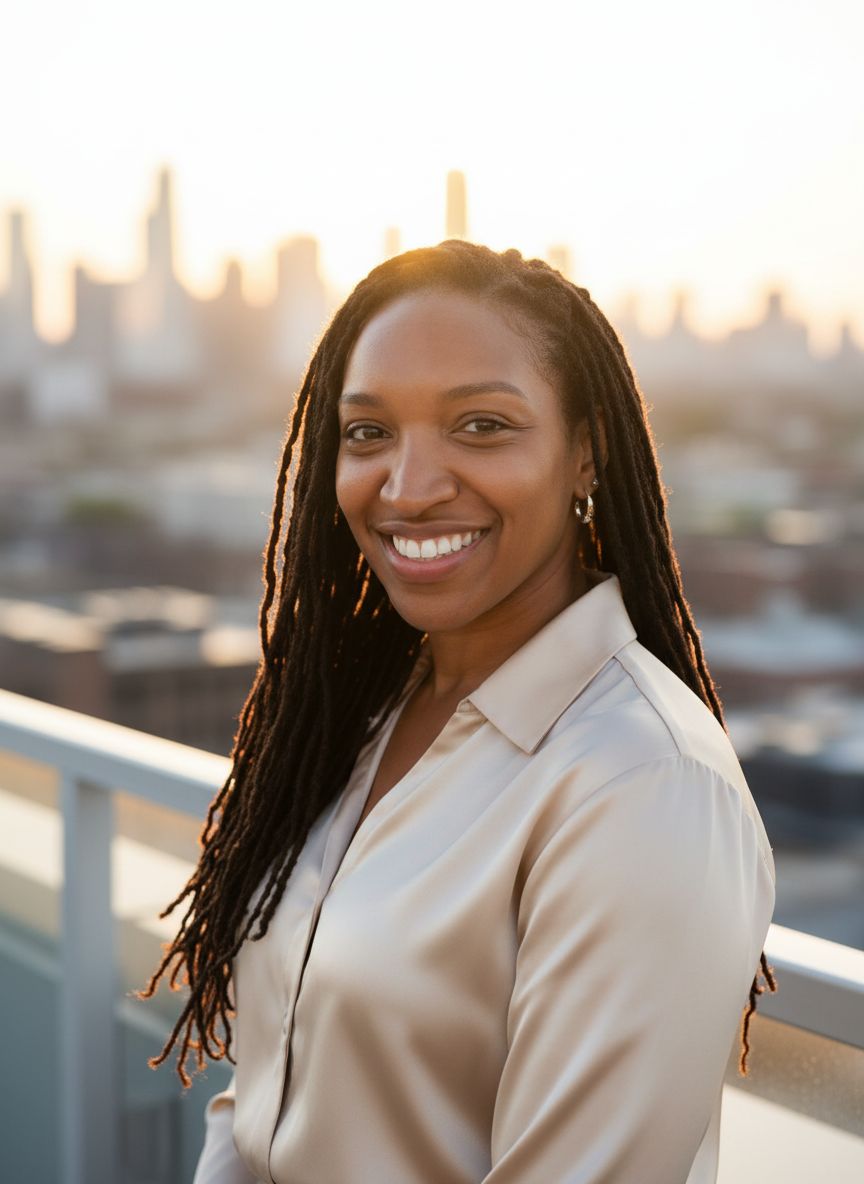
Meet Michaele
"I am an active collaborator, not a passive listener. I work at the intersection of identity and systems, not just symptoms."
When asked to define my clinical practice, I find it difficult to distill it down to a list of populations because mental health is pervasive and impacts all of us in different ways. When I zoom out and assess the throughline with all of my clients, every single one of them is navigating a gap between who they are and what the world expects, allows, or was built for them to be. The pain underneath this experience is typically expressed with this simple statement:
"I've been performing, surviving, or shrinking…and I'm exhausted."
Whether its postpartum women drowning in expectations, men suppressing emotion, creatives paralyzed by internalized doubt, athletes trapped in systems that commodify them, LGBTQ+ individuals navigating a world that questions their validity, neurodivergent people masking to survive spaces not built for them, or trauma survivors still living in the aftermath of what happened before they had language for it.
In the therapy room, I specialize in trauma recovery because all of these experiences, are traumatic to some extent. These experiences leave a mark on you that shows up when you feel unsafe. You carry these effects in the pervasive negative beliefs that try to convince you that you're not good enough, in the physical sensations that make living in your own body uncomfortable, in the emotional reactivity, and destructive behaviors that keep you stuck in the same loop.
I support people who are carrying the weight of systems, identities and experiences that were never fully seen or supported, and I help them come back to themselves. My approach draws on evidence-based modalities including EMDR, somatic-informed practice, and DBT, always filtered through a lens of cultural humility, social justice, and genuine human connection.
Beyond clinical practice, I build solutions. I have spent years identifying the gaps in mental health care; the places where good clinical knowledge never makes it to the people and professionals who need it most. That work led me to create a digital ecosystem of wellness resources and clinical tools: practical, evidence-informed products designed to support sustained behavior change, identity alignment, and values-driven living. These are not worksheets for the sake of worksheets. I create resources that help people understand themselves, close the gap between who they are and who they want to be, and move through the world with more clarity, confidence, and purpose.
My commitment to this work is grounded in faith, in the belief that every person carries inherent worth and unrealized potential. The right support, at the right time, can change the trajectory of a life.
I serve those who have been overlooked. I fill the gaps. And I build tools that make real change possible.
When asked to define my clinical practice, I find it difficult to distill it down to a list of populations because mental health is pervasive and impacts all of us in different ways. When I zoom out and assess the throughline with all of my clients, every single one of them is navigating a gap between who they are and what the world expects, allows, or was built for them to be. The pain underneath this experience is typically expressed with this simple statement:
"I've been performing, surviving, or shrinking…and I'm exhausted."
Whether its postpartum women drowning in expectations, men suppressing emotion, creatives paralyzed by internalized doubt, athletes trapped in systems that commodify them, LGBTQ+ individuals navigating a world that questions their validity, neurodivergent people masking to survive spaces not built for them, or trauma survivors still living in the aftermath of what happened before they had language for it.
In the therapy room, I specialize in trauma recovery because all of these experiences, are traumatic to some extent. These experiences leave a mark on you that shows up when you feel unsafe. You carry these effects in the pervasive negative beliefs that try to convince you that you're not good enough, in the physical sensations that make living in your own body uncomfortable, in the emotional reactivity, and destructive behaviors that keep you stuck in the same loop.
I support people who are carrying the weight of systems, identities and experiences that were never fully seen or supported, and I help them come back to themselves. My approach draws on evidence-based modalities including EMDR, somatic-informed practice, and DBT, always filtered through a lens of cultural humility, social justice, and genuine human connection.
Beyond clinical practice, I build solutions. I have spent years identifying the gaps in mental health care; the places where good clinical knowledge never makes it to the people and professionals who need it most. That work led me to create a digital ecosystem of wellness resources and clinical tools: practical, evidence-informed products designed to support sustained behavior change, identity alignment, and values-driven living. These are not worksheets for the sake of worksheets. I create resources that help people understand themselves, close the gap between who they are and who they want to be, and move through the world with more clarity, confidence, and purpose.
My commitment to this work is grounded in faith, in the belief that every person carries inherent worth and unrealized potential. The right support, at the right time, can change the trajectory of a life.
I serve those who have been overlooked. I fill the gaps. And I build tools that make real change possible.
Connect With Michaele